Page 1║Page 2║Page 3║Page 4║Page 5║Page 6║⊰Finale⊱
⟸PREVIOUS║⊰END⊱
Page 1║Page 2║Page 3║Page 4║Page 5║Page 6║⊰Finale⊱
⟸PREVIOUS║⊰END⊱
Before past-life therapy and recovered memory, there was Lethe. The spring forced a decision between erasing trauma and preserving identity. Most Greeks believed souls should drink from its waters before reincarnation, washing away all memory of previous lives. This was a necessary preparation. The dead needed liberation from their past to be reborn clean. Yet a dissenting tradition emerged among the Orphic initiates, who inscribed warnings on funeral gold plates. Avoid Lethe’s banks. Drink instead from Mnemosyne, the waters of memory.
You will find in the halls of Hades a spring on the left,
and standing by it, a glowing white cypress tree;
Do not approach this spring at all.
You will find the other, from the lake of Memory,
refreshing water flowing
Their rejection of mainstream belief raises immediate questions. If forgetting was the orthodox path to rebirth, why did the Orphics consider it spiritual suicide? What did they understand about memory that made oblivion look like annihilation rather than mercy? It is itself a decision as irreversible as death.
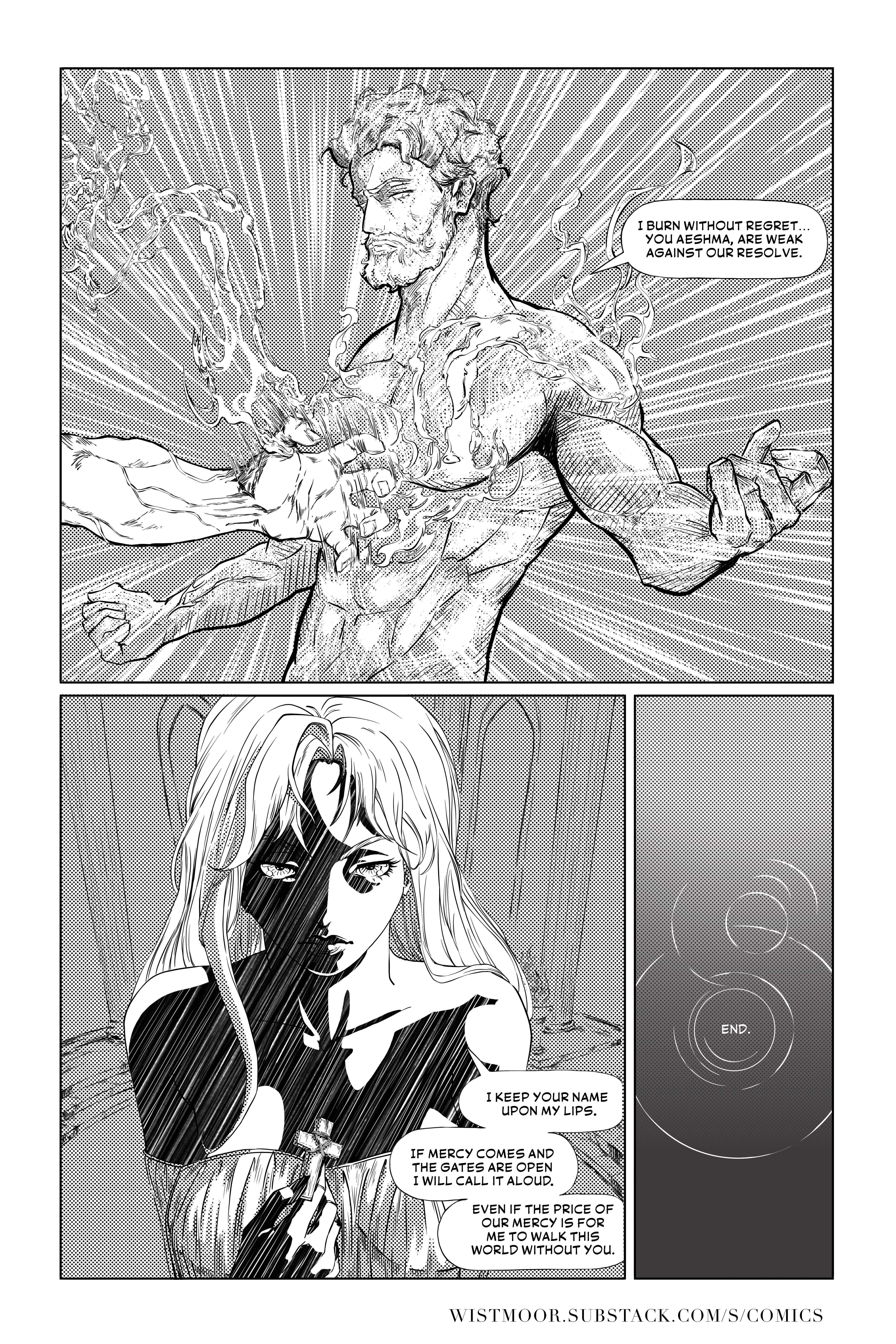
The death is irreversible. And the fact she’s trapped…
The paradox lies in what Lethe represents. It is the permanent severing of identity from experience. Does the continuity of self depend entirely on memory? Modern past-life therapy operates on that traumas from previous existences bleed through into present consciousness. Unexplained phobias and attachments are really unresolved memories demanding attention.
Consider the contemporary psychology of suppressed memory. Traumatic experiences get pushed below conscious awareness yet still shape behavior, relationships, and physical health. Therapies exist to recover these memories precisely because forgetting them does not eliminate their power. It only makes them operate invisibly. The sufferer becomes haunted by something they cannot name. Who is more correct? Are they all grasping at shadows?
Memory does carry meaning. Without it, love becomes mere chemistry. Sacrifice loses nobility. Wisdom becomes impossible. The Orphic initiates who avoided Lethe understood that identity requires carrying accumulated weight. Every joy must be borne. Every wound must be borne. This burden is not incidental but constitutive of being human. Remove memory and you create an eternal present populated by hollow beings. They can experience but never understand. They repeat the same patterns because they cannot learn or even choose without instinct. But this creates an impossible bind. If unresolved trauma prevents souls from moving on, yet remembering trauma guarantees suffering, what path exists between haunting and erasure? Can there be healing without memory? Or does healing require confronting precisely what we wish most to forget? Entire religions hinge on these concepts.
What would you give up to be made whole? We carry memories we wish to erase. We carry humiliation. We carry loss. We carry cruelty received and cruelty inflicted. But we also carry memories that justify the suffering. Lethe cannot discriminate. Drink from it and you lose everything.
The choice between remembering and forgetting reveals more about the soul. If you could forget, should you? If certain memories refuse to die even when you do, what does that make them? And if healing requires witnessing your own pain, can there ever be true oblivion? Or only the dangerous illusion of it?